Graph Paper Notebook: A Designer's Essential Tool
Imagine a tool that seamlessly blends functionality with creativity, enhancing your design projects from concept to completion. The Graph Paper Notebook is just that—a versatile and indispensable resource for graphic designers, marketers, and creators alike.
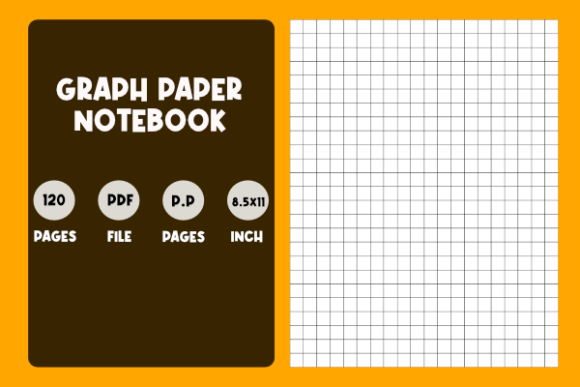
At its core, a Graph Paper Notebook provides a structured yet flexible canvas for brainstorming, sketching, and planning. This makes it an invaluable asset in the initial stages of any creative project, whether you're working on branding, marketing materials, or digital content.
Enhancing Brand Identity and Visual Communication
One of the key benefits of using a Graph Paper Notebook is its ability to support the development of a strong brand identity. By providing a consistent grid, it helps maintain alignment and proportion, which are crucial for creating a cohesive and professional look. This is particularly important in logo design, where precision and balance can make or break the visual impact.
For instance, when designing a logo, the grid system in a Graph Paper Notebook can help you achieve symmetry and balance, ensuring that the final design is both aesthetically pleasing and functional. This attention to detail not only enhances the visual appeal but also reinforces the brand's message and values.
Practical Applications in Various Design Projects
The versatility of a Graph Paper Notebook extends beyond logo design. Here are some practical applications across different design disciplines:
- Marketing Materials: Use the grid to create balanced and visually appealing brochures, flyers, and posters. The structured layout ensures that all elements, such as text, images, and graphics, are aligned and harmonious.
- Social Media Graphics: Plan and sketch out social media posts, ensuring that each element is well-organized and visually impactful. This is especially useful for creating consistent and engaging content.
- Website and UI Design: Sketch wireframes and user interface layouts, focusing on the placement of buttons, menus, and other interactive elements. The grid helps in maintaining a clean and intuitive design, enhancing the user experience.
- Editorial Layouts: Design magazine pages, book covers, and other editorial content. The grid system aids in creating a balanced and readable layout, making the content more engaging and accessible.
- Packaging Design: Plan and sketch packaging designs, ensuring that all elements, such as logos, product information, and imagery, are well-organized and visually appealing.
Factors to Consider When Using a Graph Paper Notebook
To get the most out of your Graph Paper Notebook, consider the following factors:
- Consistency: Use the grid to maintain consistency in your designs. Consistent spacing and alignment create a professional and polished look.
- Readability: Ensure that all text and visual elements are easy to read and understand. The grid helps in organizing content in a way that is visually clear and accessible.
- Scalability: Design with scalability in mind. The grid system allows you to create designs that can be easily resized without losing their integrity.
- Visual Hierarchy: Use the grid to establish a clear visual hierarchy. Prioritize and organize elements to guide the viewer's eye and enhance the overall communication.
- Audience Expectations: Consider the preferences and expectations of your target audience. The grid can help you create designs that resonate with your audience and meet their needs.
Integrating Typography, Color, and Imagery
Typography, color, and imagery play a crucial role in the overall design. The grid in a Graph Paper Notebook helps in integrating these elements effectively. For example, you can use the grid to plan the placement of typefaces, ensuring that they are well-aligned and readable. Similarly, you can use the grid to balance colors and imagery, creating a visually harmonious and impactful design.
When selecting typography, choose fonts that complement the brand's personality and are legible at various sizes. The grid helps in aligning and spacing text, ensuring that it is both visually appealing and easy to read. For color, use the grid to test and balance color palettes, ensuring that they are consistent and visually appealing. Finally, use the grid to place and size imagery, ensuring that it integrates seamlessly with other design elements.
In conclusion, a Graph Paper Notebook is a powerful tool for any designer. Its structured yet flexible nature supports a wide range of creative applications, from branding and logo design to marketing materials and web design. By leveraging the grid system, you can create designs that are not only visually appealing but also effective in communicating your message. Whether you're a seasoned designer or just starting out, a Graph Paper Notebook is an essential addition to your toolkit, helping you achieve professional and polished results.